



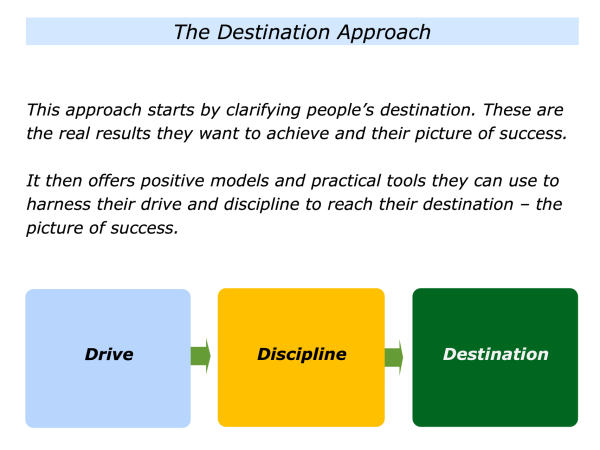
This is an approach that can be used with individuals, teams or organisations. It starts by clarifying people’s destination. These are the real results they want to achieve and their picture of success.
It then offers them positive models and practical tools they can use to harness their drive and discipline to reach their destination. It focuses on helping them to achieve their picture of success.
The destination approach is different from the traditional diagnosis approach. The positive kind of diagnosis it may do, however, is to clarify how people can use their strengths and follow their successful patterns to achieve success.
The aim is to follow the magical approach rather than the medical approach. This involves exploring the following themes.
The Destination
The approach starts by clarifying the destination. The following section describes how this can be done when helping a person or an organisation to achieve its goals.
The Individual Approach
There are many ways to help a person to clarify the real results they want to achieve – the destination – in their life or work. It can then be to help them to work towards achieving their picture of success.
Much depends on the specific situation, of course, and the time frame by which they want to achieve their goals. They may want to tackle something immediately or work towards their longer-term aims.
The following section describe an exercise that a person can do to focus on their life goals. It is possible to adapt this, of course, to focus on a shorter frame – such as the specific things they want to achieve by a certain date.
The Lifetime Picture
Of Success Exercise
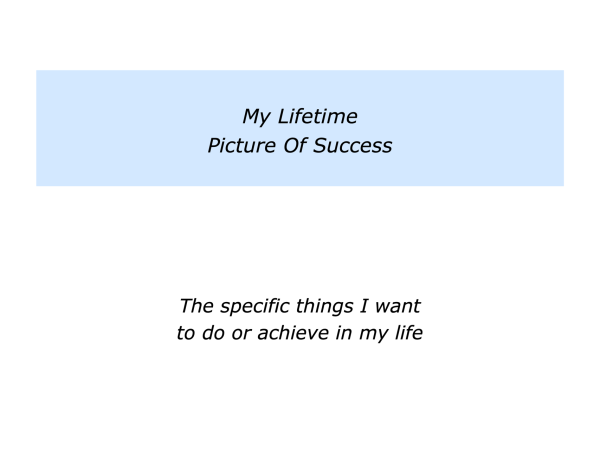
This is an exercise that a person can do to focus on their lifetime picture of success. It invites them to look ahead and explore the following theme.
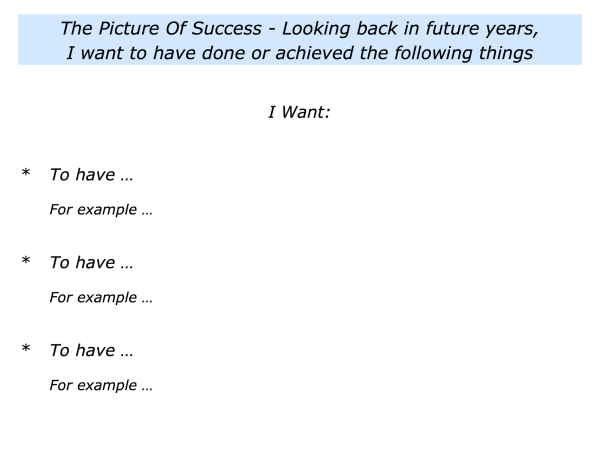
Imagine that you are looking back on your life in future years. For example, when you are eighty years old. What are the things that you would like to have done or achieved by then?
People often focus on three themes when doing this exercise. They aim to have positive relationships, making a positive contribution and enjoy positive experiences.
Here is the exercise on this theme. This is followed by some of the things that a person may describe.
Positive Relationships
A person may describe how they want to be remembered as a parent, partner or friend. They may say:
I want my partner and I to have given our children the opportunity to enjoy a happy childhood.
For example, I want them to say things like:
“Our parents were always there for us. They encouraged us, helped us to develop our talents and also learn how to make good decisions.”
Positive Contribution
Some individuals want to make a positive contribution to the world. This may involve them following their vocation or doing something which improves life for other people. So a person may say something like:
I want to have used my strengths to have done positive work that has helped other people.
For example, I want:
To have …
To have …
To have …
Positive Experiences
Some individuals focus on how they want to enjoy life, have positive experiences and have no regrets. So they may say something like:
I want to have lived life fully; to have visited many countries; to have completed the book I promised myself I would write; to have made full use of my talents; to feel I have done my best and have a sense of peace.
A person who focuses on their life goals can use these as an inner compass when making decisions. They can explore how taking a certain route can contribute to helping them to work towards their picture of success.
The Organisational Approach
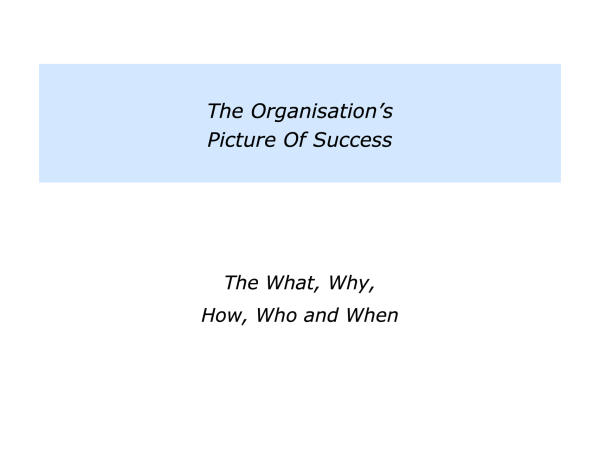
Good organisations are often clear on their purpose and the principles they want to follow. They may then translate these into aiming to reach a certain destination – their picture of success.
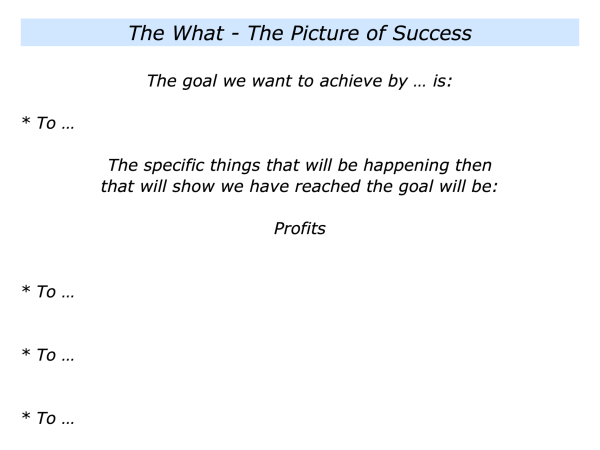
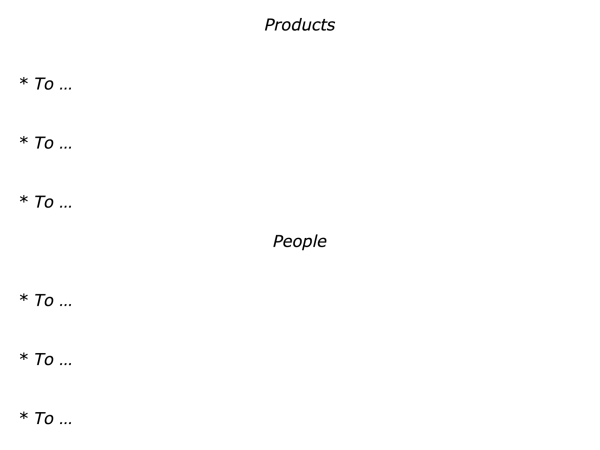
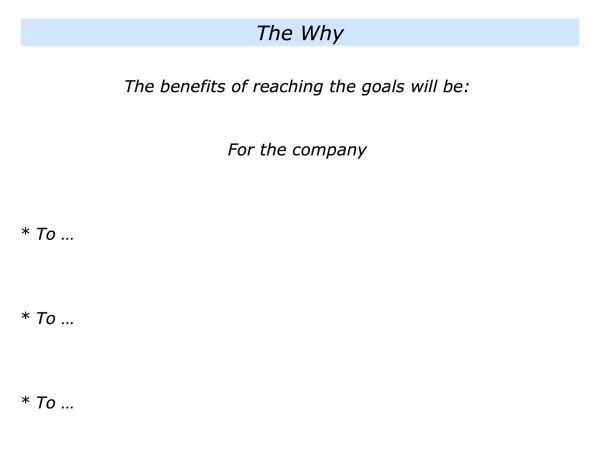
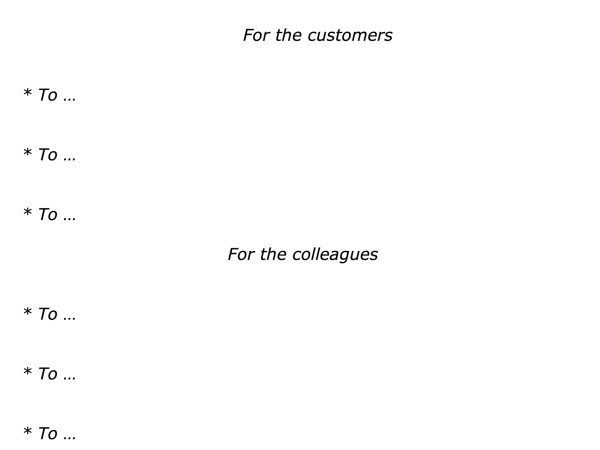
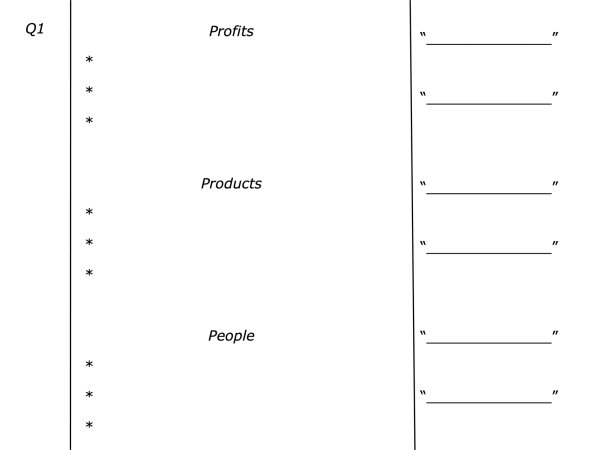
Different organisations use different formats for clarifying these goals. Some companies, for example, focus on their Profitability, Products and People.
They then translate these into the What, Why, How, Who and When. Here is one framework that they may use.
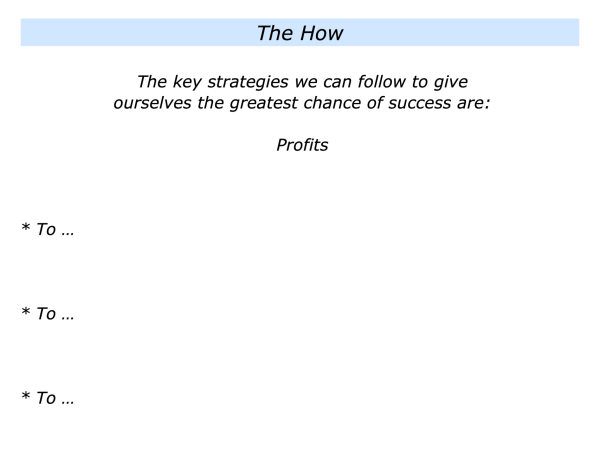
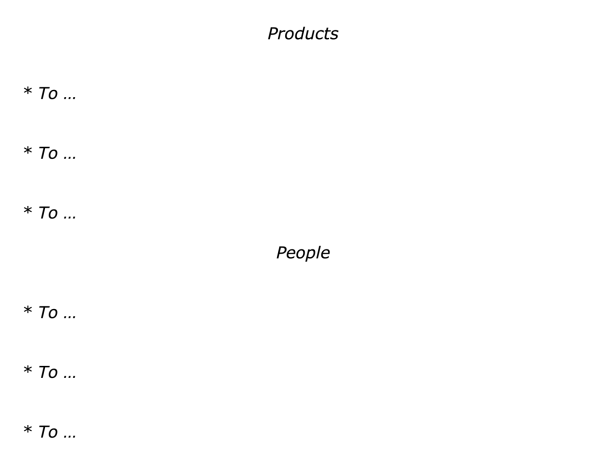
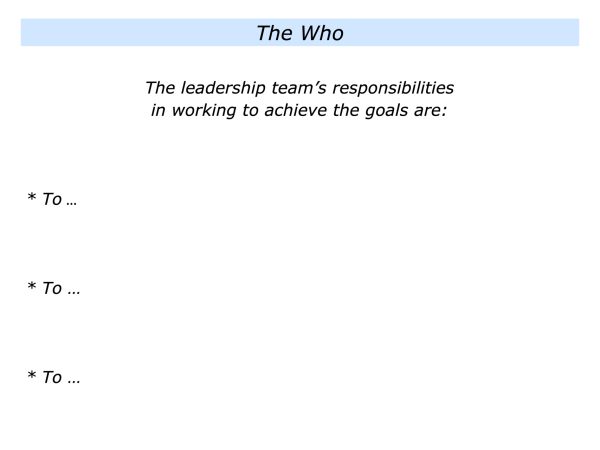
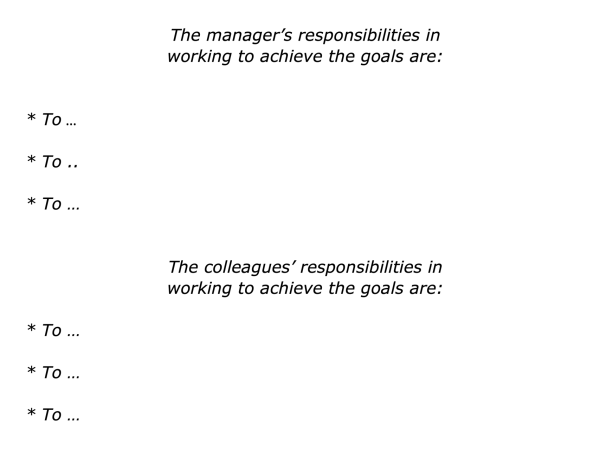
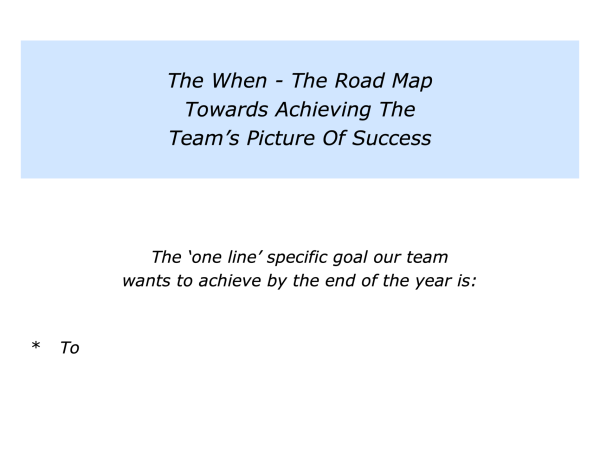
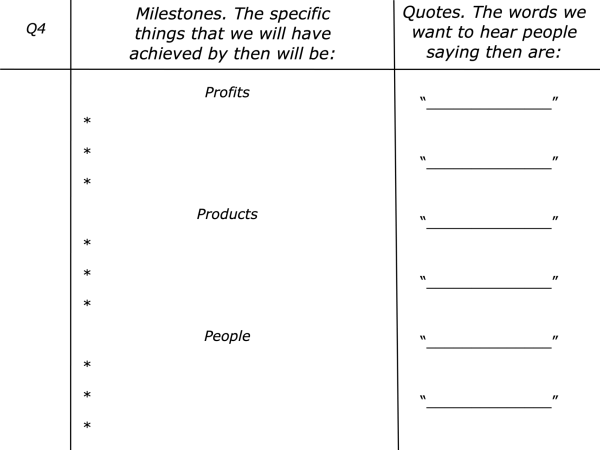
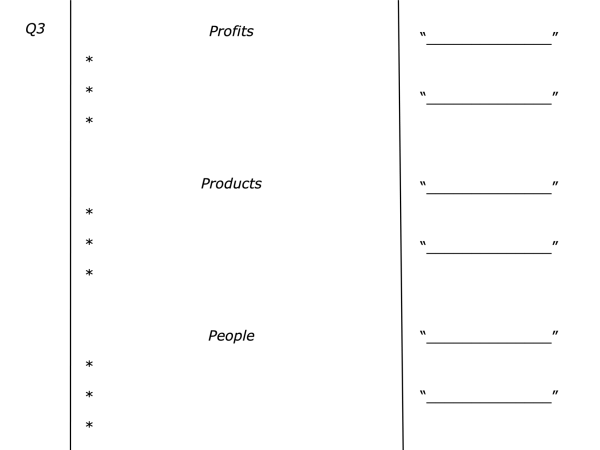
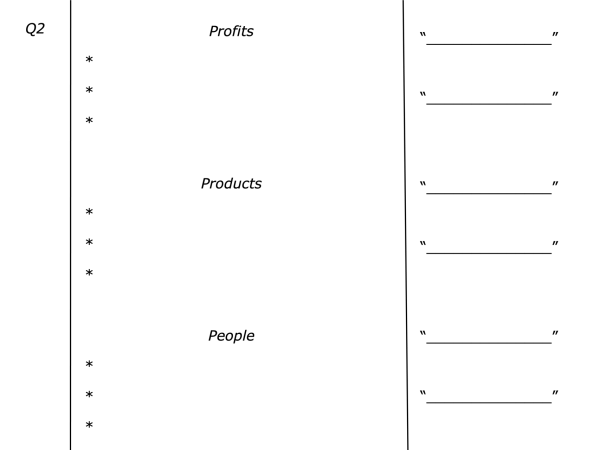
Imagine that a person or an organisation has clarified their destination – such as their picture of success. It can then be time for them to move on to exploring the next theme.
The Drive
People often need to be highly motivated to achieve a goal. This motivation provides the drive that energises them to keep following certain disciplines on the way towards delivering the goods.
The following section looks at how a person or an organisation may focus on this theme before setting out on their journey to achieving the goals.
The Individual Approach
Many people prepare properly before embarking on the journey towards a destination. Some take the following approach before committing themselves to working towards a picture of success.
They clarify the strategies they can follow to give themselves the greatest chance of success
They clarify the pluses and minuses involved in working towards and achieving the picture of success.
They clarify how strong is their drive – such as their motivation rating on a scale 0-10 – to do what is required to work towards achieving the picture of success.
Different people take these steps in different ways. Let’s consider how they may explore these themes.
The Strategies For Achieving Success
Imagine that you are deciding whether you want to do something in your life or work. This could be doing a specific activity, doing a project or tackling a challenge.
You may want to improve your health, commit to a new relationship or achieve a personal goal. You may want to take the next step in your career, build a business or do another professional activity. You may then to explore the following questions.
What are the real results I want to achieve? What is the picture of success? What will be the benefits of achieving the goals? What will be happening that will show I have achieved the picture of success?
What are the strategies I can follow to give myself the greatest chance of success? How can I translate these into action? How can I get some early wins? How can I encourage myself on the journey?
Imagine that you have considered these themes. You may then want to explore the next topic.
The Pluses And Minuses
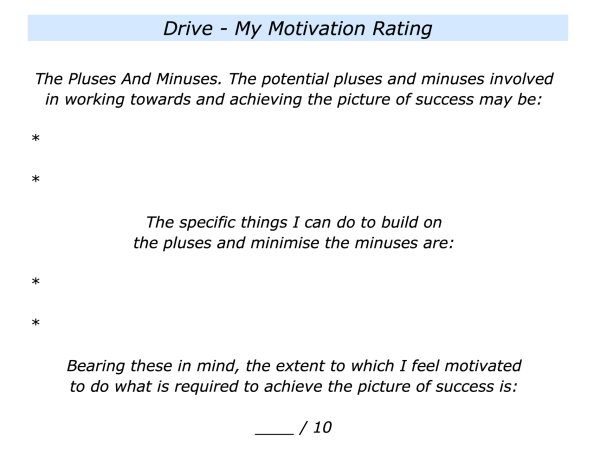
Let’s assume you are focusing on something you want to do. What may be the pluses and minuses involved in doing the work and achieving the goal? How can you build on the pluses and minimise the minuses?
This is an approach I learned early in my career when working with people in addiction recovery programmes. They wanted to live a healthier life and give up their addiction to drugs, alcohol or other substances.
Bearing this in mind, we encouraged them to focus on what they saw as the pluses and minuses involved. Much depended on the person’s circumstances, of course, but let’s look at some examples.
The pluses may be the following. The person may feel healthier, feel more alive and live longer. They may be able to build better relationships, be better parents and see their children grow up. They may also, if they wished, develop a satisfying career.
The minuses could include the following. They would need to take responsibility every day, find a new purpose and learn how to manage their feelings in a healthy way.
We explored how they could build on the pluses and manage the minuses. Whatever route they took, however, they had to feel that what they were gaining outweighed what they were losing.
Some people had addictive personalities. They therefore aimed to follow a positive addiction rather than a negative addiction. They aimed to follow a positive mantra and positive habits one day at a time.
Some followed a personal health programmes. Some threw themselves into running, helping former addicts or doing other healthy activities. This gave them a sense of purpose and satisfaction each day.
They also focused on how to minimise or manage the minuses. This included learning how to manage trigger moments that may tempt them to return to their former substance abuse.
Looking ahead, we role-played how they could manage such trigger moments. This often involved them learning how to stop, buy time and choose positive ways rather than negative ways to deal with the situation.
Bearing all these factors in mind, we invited people to rate the extent to which they were motivated to achieve their goals. Plus how they could get some quick successes on the journey they would follow one day at a time.
Let’s return to your own life and work. Imagine that you are considering whether you want to do something in the future. This could be doing a specific activity, doing a project or tackling a challenge.
Looking ahead, what do you see as the pluses and minuses involved in working towards and achieving the picture of success. How could you build on the pluses and minimise any minuses?
Bearing these factors in mind, how strong is your drive to do what is required to achieve the goals. How would you rate your motivation on a scale 0-10? What can you do to maintain or improve the rating? Make sure the final rating is at least 8+/10?
The Organisational Approach
Good organisations may take a similar approach when clarifying the strategies they can follow to achieve the goals. One way is for them to consider the implications of what they aim to do.
Bearing in mind the pluses and minuses involved, they can then explore the following theme.
The Are You Serious? Approach
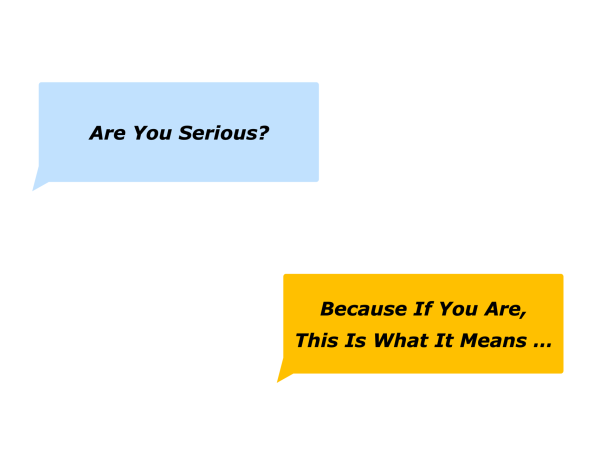
This is an approach that can be used by individuals, teams or organisations. It can be particularly useful when deciding whether or not to follow a particular strategy. When doing so, it can be useful:
To clarify the specific strategy that people say they want to follow;
To clarify the pluses and minuses involved in following the strategy;
To clarify whether they are really serious and prepared to accept the pluses and minuses of following the strategy.
This is an approach I often used with leadership teams towards the end of values workshops. Let’s consider one example.
The leadership team I was working with had clarified the values they believed it would be important for people in the company to follow in the future. These were:
Take Responsibility … Encourage People … Deliver Results … Keep Developing
The team planned to introduce these values to their people in the following ways.
By aiming to live their values themselves;
By sharing successes stories of when people in the company had lived the values in the past;
By involving their people in sessions where they could share ideas about how the values could be lived;
By producing some quick wins that showed they would translate the values into action;
By giving people the support they needed to live the values and deliver success.
The leadership team was all set to press the button. Before they went ahead, however, I asked them to consider the following themes.
First: To explore the pluses
and minuses of living the values
It was important to clarify the pluses and minuses of living the values: a) for the company – including themselves as a leadership team; b) for the customers; c) for the colleagues; d) for any other stakeholders.
Second: To explore if they were
really serious about living the values
This called for inviting the leadership team members to explore the following themes.
“Bearing in mind the pluses and minuses involved, are you really serious?
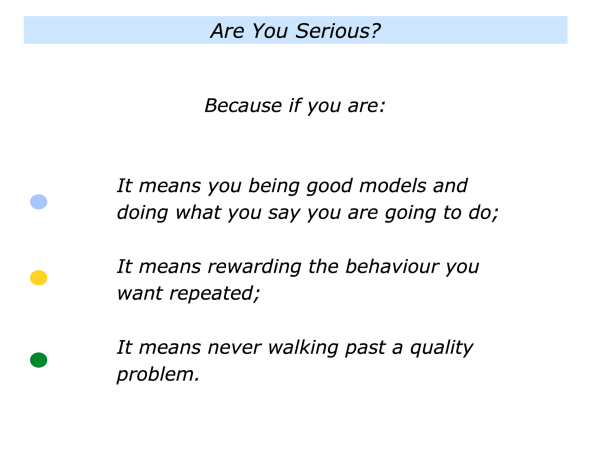
“Do you really want to aim to live the values? Because if you are, these are the implications …
“For example, it means you: Aiming to be good models; Rewarding the behaviour you want repeated; Never walking past a quality problem.
“Bearing these things in mind, on a scale 0-10 how serious are you about aiming to really live the values?”
The leadership team explored all these themes. They did this in the following way.
They began by focusing on their own behaviour. They listed the Dos and Don’ts they needed to bear in mind – both as individuals and as a whole team – to translate the values into action.
They then explored how to encourage people to live the values. This included having a mission holder who to responsibility for finding and publicising success stories about how people in the company were living the values.
They finally focused on making tough decisions. This included never walking past a quality problem – whether this was poor service quality or people behaving in an unprofessional way – because this would be saying that such behaviour was okay.
The leadership team looked at how to offer people positive alternatives in such situations. They needed to be able to show people:
The professional standards that could be followed to do such things in the future;
The benefits of following these professional standards;
The leaders needed to give individuals the opportunity of decide if they wanted to follow the professional standards. Sometimes a person may need help to follow these standards in their own way.
If a person chose to continuing behaving in an unprofessional way, however, this would call for making a tough decision. It would mean hiring somebody who wanted to deliver the required professional standards.
The leadership team explored how they could aim: a) to build on the positive aspects of living the values; b) to manage any of the potential minuses. The latter called for rehearsing how to deal with several challenging scenarios.
The leadership team then rated their seriousness in terms of living the values. Bearing in mind the pluses and minuses involved, they rated their seriousness as 8+/10.
A postscript. I worked with this company for the next five years. During this time the view from the employees was that the leaders and most people in the company did live the values.
Here is the exercise that people in an organisation can do to clarify the extent to which they are serious about doing what is required to achieve their picture of success.
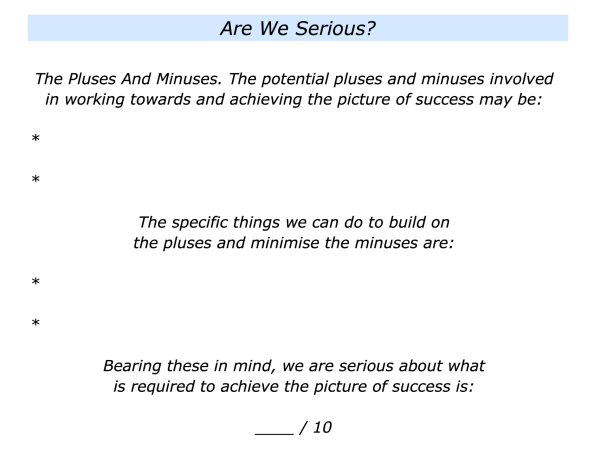
Let’s assume a person or an organisation are highly motivated to reach their goals. They may then focus on the next theme.
The Discipline
Great workers and organisations aim to follow certain disciplines. They aim to do the right things in the right way every day. Different people do this in different ways.
The Individual Approach
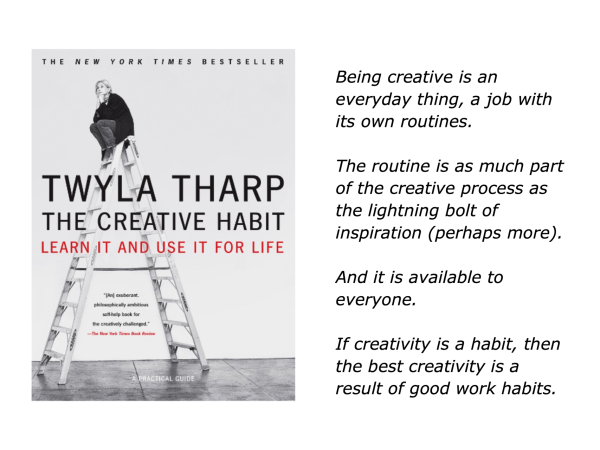
Twyla Tharp, the American choreographer, believed in follow certain disciplines. Even into her sixties Twyla started the day at 5.30 am and walked out of her flat onto the Manhattan Street.
She then hailed a cab that took her to the gym for a two-hour workout. Writing in her book The Creative Habit, she explained how she followed certain rituals to develop good habits.
The Organisational Approach
Great organisations also encourage their people to translate the strategies into action by following certain disciplines. Much depends, of course, on the kind of work the organisation is doing.
A hospital will encourage its people to follow certain disciplines. For example: a) to care for their patients; b) to maintain high professional standards; c) to deliver excellence.
A company may encourage its people to follow certain disciplines. For example: a) to keep improving its profits; b) to keep improving its products; c) to keep providing a positive environment for its people.
Great organisations also encourage their people to anticipate and manage potential future challenges. They then provide them with practical tools they can use to buy time and make good decisions in such situations.
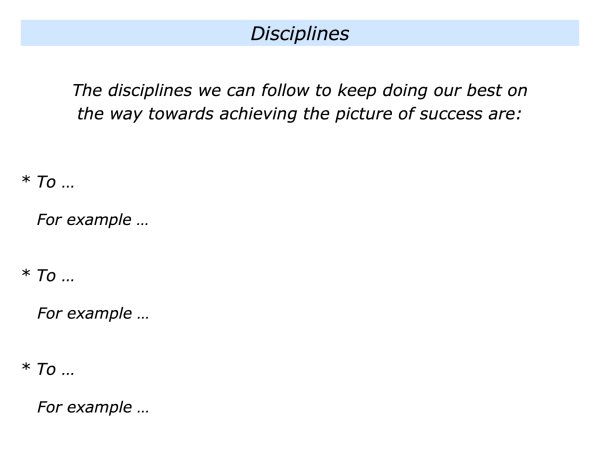
Such organisations may also involve people in doing the following exercises. These invite people to focus on the following themes.
Disciplines – The specific disciplines we can follow to keep doing our best on the ways towards achieving the picture of success.
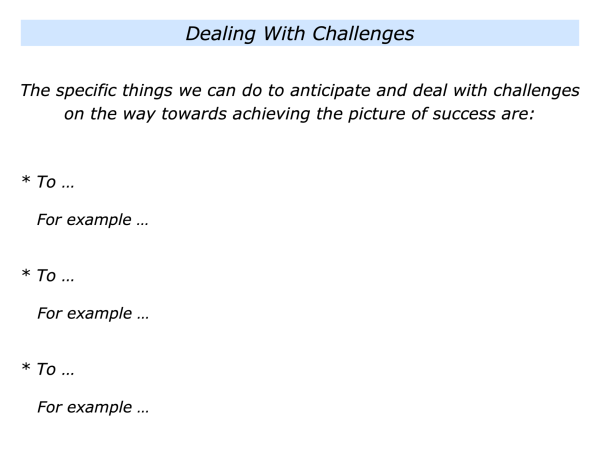
Dealing With Challenges – The specific things we can do to anticipate and manage challenges on the way towards achieving the picture of success.
Good organisations communicate the key things to be done in these areas and then invite people to add their ideas. Here are the exercises on these themes.
The Destination
The destination approach starts by clarifying the results to achieve – the picture of success. This is different from starting by diagnosing what may be wrong with a person or an organisation.
As mentioned earlier, however, the destination approach sometimes using a positive kind of diagnosis. This involves focusing on a person’s or organisation’s strengths and successful patterns.
The Individual Approach
Finishing is a key skill in life. Bearing this in mind, one approach is for a person to follow their successful pattern for finishing. Let’s explore this theme.
Imagine that a person is doing a piece of work. Sometimes they can learn from their positive history. This involves them to take the following steps.
They can clarify when they finished a similar piece of work successfully.
They can clarify what they did right then – such as the principles they followed and how they translated these into action – to finish successfully.
They can clarify how they can follow similar principles – plus maybe add other skills – to finish the present piece of work successfully.
Different people mention different things when doing this exercise. Some describe the following things they did to finish successfully.
I Aimed:
To be fully present … To keep delivering high standards … To build on what was working and tackle areas for improvement … To encourage myself and others … To flow, focus and finish … To add that touch of class.
Such people then clarify how they can follow similar principles – plus maybe add other skills – to finish their present piece of work successfully.
The Organisational Approach
Great organisations may take similar steps by following elements of the well-known Appreciative Inquiry approach. Bearing in mind the results they want to achieve in a situation, they may take the following steps.
They may focus on a
specific situation when either:
They made a successful pitch for a piece of business … They managed a crisis successfully … They maintained high morale in the organisation … They coordinated their strengths to achieve a goal.
They followed their principles in a difficult situation … They provided superb service to customers … They developed a new way of working … They did great work to meet a deadline.
Good organisations focus on: a) The specific things they did right then to get positive results: b) The specific things they can do to follow similar principles – plus add other skills – to get positive results in the present situation.
Such organisations continue to follow good habits They keep doing the basics and, when appropriate, add the brilliance. Beware of declaring victory too early, they keep going until they reach their destination.
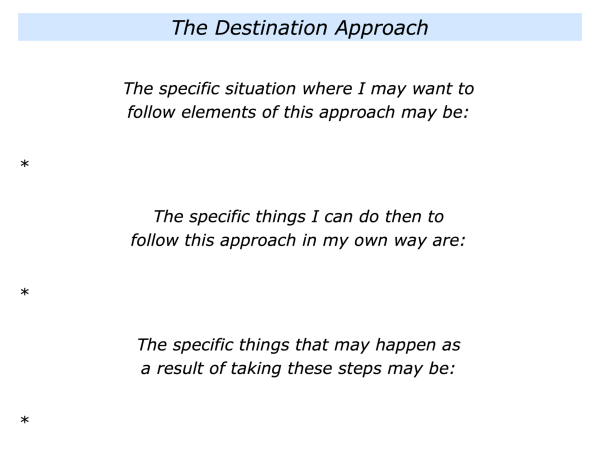
Let’s return to your own life and work. Can you think of a situation where you may want to follow elements of the destination approach rather than the traditional diagnosis approach? How can you do this in your own way?
If you wish, try tackling the exercise on this theme. This invites you to complete the following sentences.

Leave a Reply