



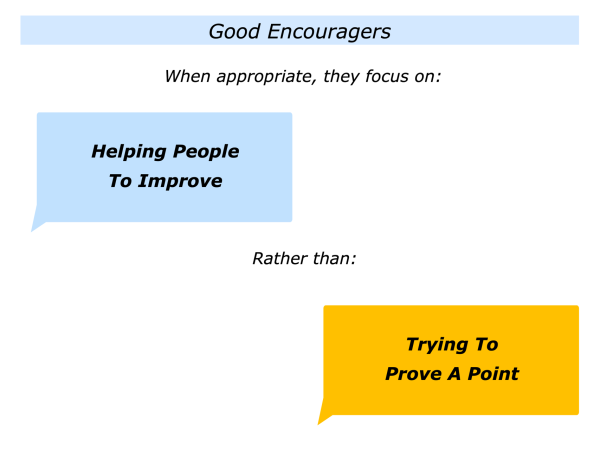
There are many ways to help people to improve. Good coaches, for example, may invite a person to do some personal reflection about a piece of work they have done. They may then invite them to explore the following questions.
What were the results you were trying to achieve with the piece of work?
What did you do well and how can you do more of these things? What do you think you could better and how?
How can you build on what you did well and also improve other things to achieve the desired results?
Such coaches may then, when appropriate, ask if it is okay for them to share some ideas. If so, they then try to pass on knowledge in a way the person can accept and use to achieve their goals.
Some people may have a more provocative approach when communicating with people and may simply want to prove a point. They may allocate blame or show people how they have failed.
Maybe their intention is to help others to improve. But the style they use can come across as judgemental rather than helpful. It can also close down people’s systems for learning and be counterproductive.
Imagine that you want to follow the approach of helping people to improve rather than trying to prove a point. This can involve focusing on the following themes.
You Can Focus On How You
Have Been Helped To Improve
There are many models for helping people to improve. One approach is also to explore how people have helped you to take this step. They could have done this in your personal or professional life.
Looking back, can you think of a person who helped you to improve? They may have been a parent, friend, teacher, coach, manager or somebody in another role. What do you think the person did right to help you?
They may have created an encouraging environment. They may have made you feel the centre of their world. They may have made it easy for you to share.
They may have focused on what you wanted to explore and then clarified your goals. They may have played back their understanding of what you wanted to achieve.
They may have asked how you had achieved similar goals in the past. They may have helped you to clarify your strengths and successful patterns. They may have explore how you could follow these in the future.
They may helped you to consider the various options going forwards and the pluses and minuses of each option. They may have asked you about the option you felt was most attractive.
They may, at some point, have asked if was okay for them to share some ideas. They may then have shared some possible options and practical tools you could use in your own way.
They may then have invited you to reflect on the route you wanted to follow. They may helped you to make an action plan and get some quick successes. They may have also said that they would be willing to help you along the route towards achieving your goals.
If you wish, try tackling the exercise on this theme. This invites you to complete the following sentences.
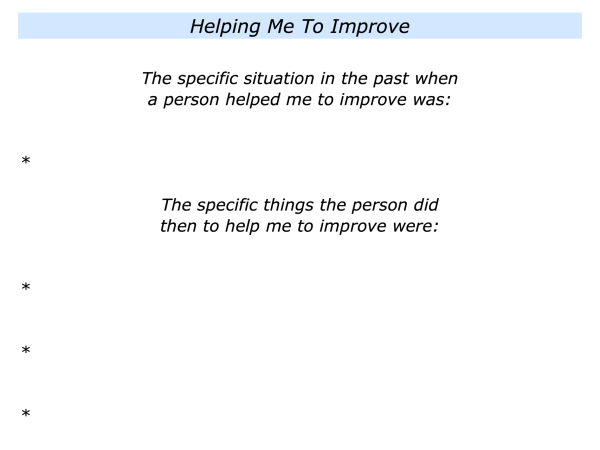
You Can Focus On How You Can
Help Other People To Improve
Let’s return to your own life and work. Imagine there may be a situation where, if appropriate, you may be able to help other people to continue to improve.
One of the keys, of course, is to make sure that such an approach may be appropriate. This may happen if, for example, it is as situation:
Where a person has asked for your help to improve or;
Where you may have an agreed role in helping a motivated person to improve.
Whatever the situation, it will be important: a) to create an encouraging environment where the person feels able to explore; b) to make a clear contract that they are open to you helping them to achieve their goals.
Imagine that these conditions are in place. If appropriate, you may then go through some of the classic steps in helping a person to achieve their goals. These will involve helping them:
To clarify the real results they want to achieve – the picture of success;
To clarify the strategies they can follow to give themselves the greatest chance of achieving the picture of success;
To clarify their action plan and then do their best to achieve their picture of success.
During this process – but only if appropriate – you may ask them if it okay to share some ideas. If so, you can then pass on knowledge and practical tools they can use to achieve their goals.
When doing this, it will be important: a) to bring the ideas to life by giving examples that resonate with the person; b) to emphasise that it will be up to the person if they want to use any of the ideas in their own way.
As mentioned earlier, this is one approach to helping a person to improve. Bearing this in mind, let’s explore how some of these ideas may be applied by people in other fields.
You Can Learn From The Approaches That
Other People Use To Help People Improve
Sometimes it can be possible to learn from how people in various fields help people to improve. The following section looks at good educators and good coaches may follow certain approaches. Let’s explore these themes.
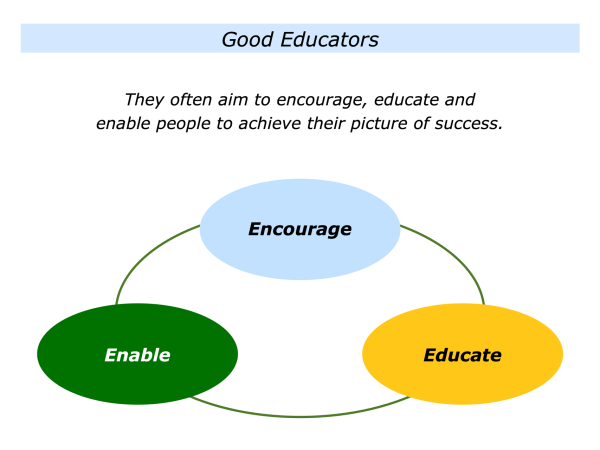
Good educators often start by creating an encouraging environment in which people are open to learning. They then aim to encourage, educate and enable people to achieve their picture of success.
Such educators follow the rule that ‘the learner learns what the learner wants to learn’. They aim:
To clarify the specific things that a person wants to learn;
To clarify the real results the person wants to achieve by learning these things.
Good educators aim to make the learning real, relevant and rewarding. They also aim to make the learning personal, practical and, in the widest sense, profitable.
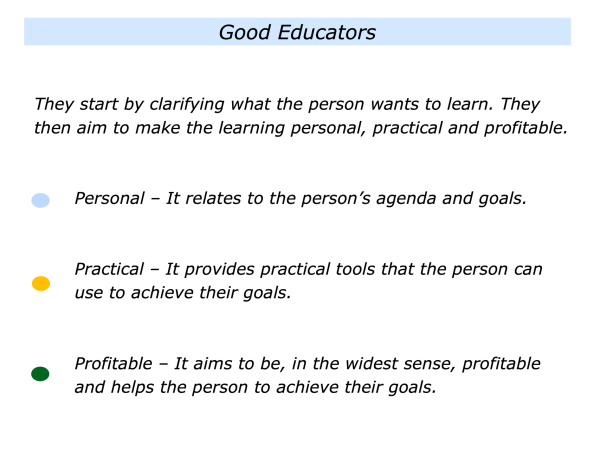
Good educators often take this an approach when teaching, coaching, mentoring or running workshops. They then aim to pass on knowledge and practical tools that the person can use to achieve their goals.
Good Coaches
Good coaches often start by making a clear working contract with the person who wants to develop. The following section looks at how this can work in sports but some of the ideas can be applied in other fields.
The sessions may start by inviting the person to work through the following framework. It then moves on to focusing on how to help the person to achieve their goals.
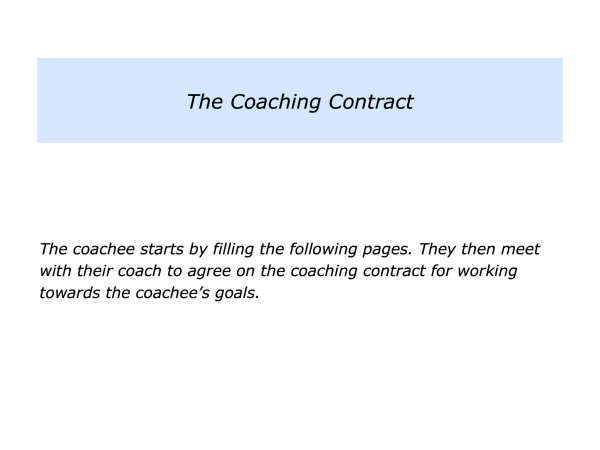
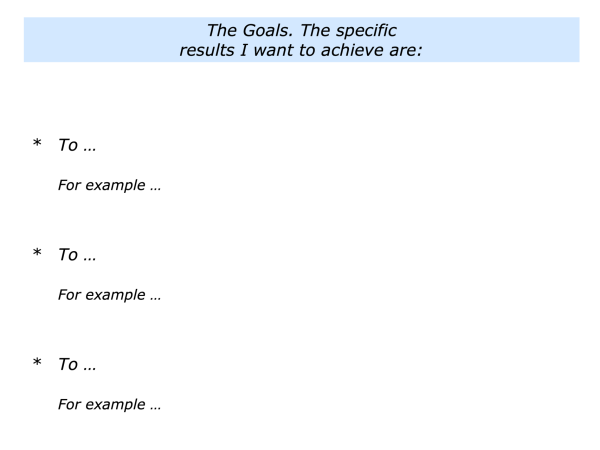
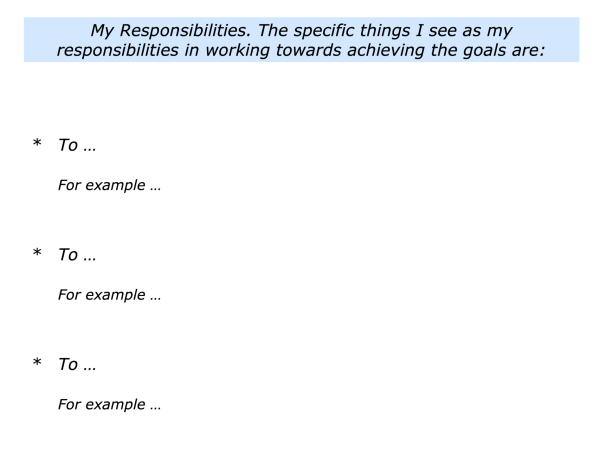
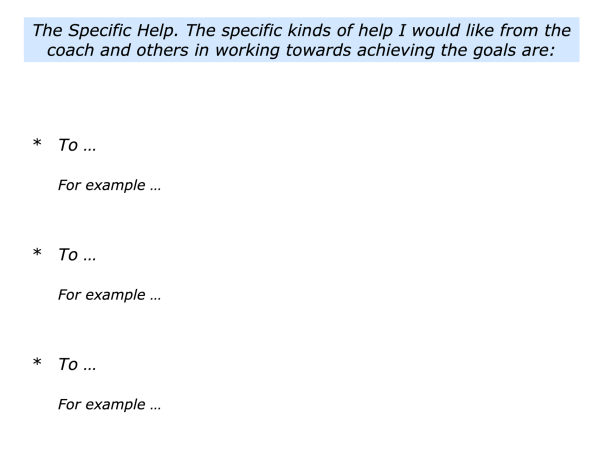
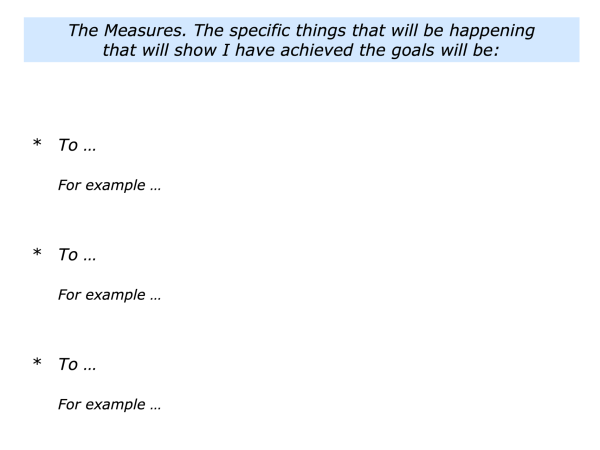
Imagine that the person and coach have made a clear working contract. As mentioned earlier, there are several ways to help the person to work towards achieving their goals.
One approach involves helping them to clarify the strategies they want to follow. It is then to help them to translate these into action and do their best to achieve the desired results.
Many coaches then move on to another stage. They watch the person in action or see an example of their work. They then aim to focus on:
The specific results the person is aiming to achieve;
The specific things the person is doing well and the specific things they can do better to achieve their goals;
The specific knowledge, skills and tools they can pass on to the person to help them to achieve their goals.
Good coaches may then go through the following stages before aiming to pass on knowledge to the person.
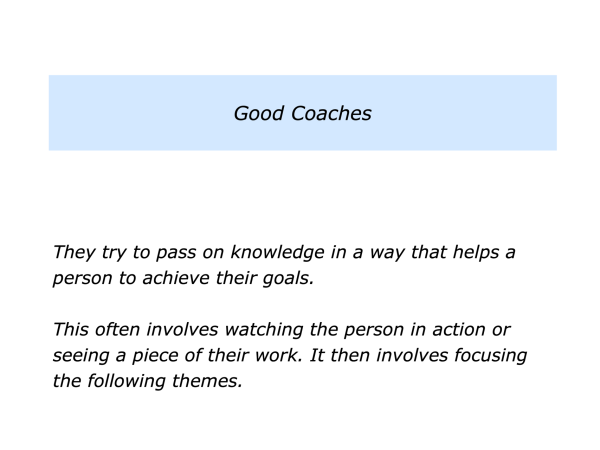
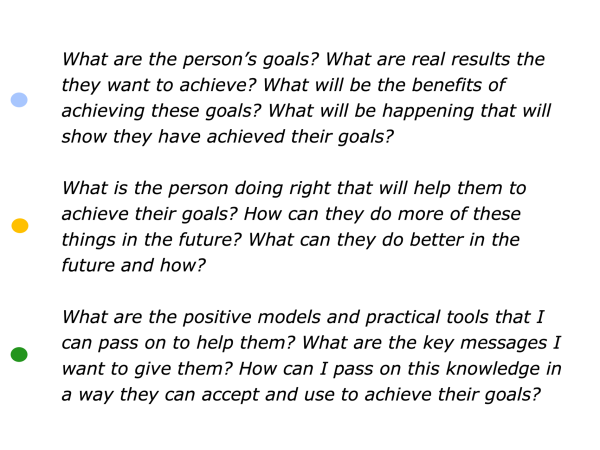
Good coaches in sports may watch an athlete in action. They then invite the athlete to speak first and channel their feelings by focusing on the following things. First, the specific things they did well. Second, the specific things they can do better in the future and how.
Good coaches may then make a psychological contract with the athlete. They may say:
“Is it okay for me to share some ideas?”
This is because it is important to establish a person’s openness to ideas. After establishing the contract, they try to pass on knowledge in a way the athlete can use to improve their performance.
Such coaches conclude by inviting the athlete to make an action plan that they believe in. They may say something along the following lines.
“What are the specific things you want to keep doing? What are the specific things you want to improve and how? How can you translate these into action and work towards achieving your goals?”
Good coaches then do their best to help the person achieve their goals. If for any reason the person does not take responsibility, the coach simply goes back to the coaching contract. They may then say something along the following lines.
“Looking ahead, do you still want to work towards achieving your goals? That is, of course, up to you. Because, as we know, there may be both pluses and minuses involved in working towards achieving your aims.
“If you do want to do continue, then we can explore how you can do your best to achieve these aims. If not, then that may be another discussion. Let me know what you want to do.”
There are many ways to help people to improve. Whichever approach is taken, however, the aim is often to encourage, educate and enable the person to achieve their picture of success.
Let’s return to your own life and work. Looking ahead, can you think of a situation you may want to help a person to continue to improve? How can you do this in your own way?
How can you create an encouraging environment? How can you ensure the person is motivated and wants to improve? How can you make a clear contract about their role and your role?
How can you clarify the person’s goals? How can you build on what they are doing well? How can you help them to focus on the strategies most likely to achieve success?
How can you, if appropriate, pass on knowledge in a way that they can accept and use? How can you then do your best to help them to achieve their picture of success?
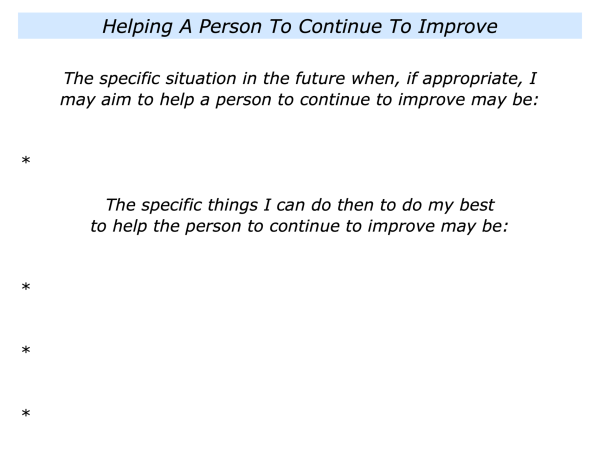
If you wish, try tackling the exercise on this theme. This invites you to complete the following sentences.

Leave a Reply