



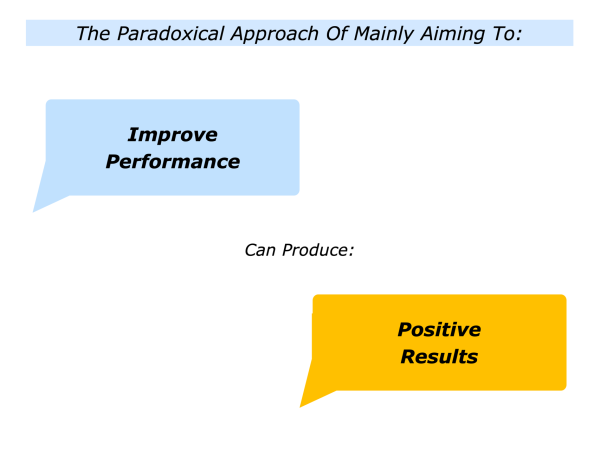
This approach sounds paradoxical but it is often expressed by coaches in sports. They encourage their players to follow certain principles. They invite them to focus on what they can control and:
To have a positive attitude;
To deliver high professional standards;
To keep improving their performance;
They ask their players to take this approach because it is more likely to produce positive results. They encourage them to channel their energy in this way rather than only worry about the score.
This approach sounds paradoxical in a field where results can determine people’s futures. But it is one that is embraced by many coaches. Bill Walsh, the American Football coach, explained this in the following way.
Keep following the standards of performance and the score takes care of itself.
Different people follow this approach in different ways in their lives and work. The following section describes one approach.
Bjørn Mannsverk And Building A High
Performance Culture At Bodø/Glimt
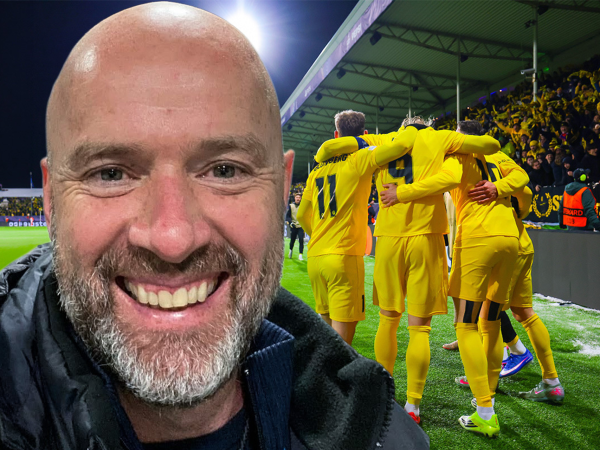
Bjørn is the former F-16 fighter pilot who has used mental training to help many teams and organisations. Interviewed on the High Performance podcast, he described his work with Bodø/Glimt.
Located in the Article Circles, the Bodø/Glimt football team has made remarkable strides. Despite having fewer financial resources, it has outperformed many clubs in Europe.
Bjørn began working with the club when it was at a low ebb. When interviewing the players, he found they were using lots of energy to focus only on results.
Certainly it is important to work towards certain goals. But then comes a vital point: The way that you work towards achieving the goals can help or hurt yourself or other people.
Bearing this in mind, Bjørn encouraged the players to follow the team’s values. These included loyalty and helping each other to succeed. He then encouraged them to build on what they could control and:
To focus on continually improving their performance.
The players were encouraged to channel their energy in this way rather constantly worry about the results. And, paradoxically, the outcome was that there was an improvement in results.
There are many ways to live and work. Bearing this in mind, it important to recognise that people are bound to set certain goals. When doing so, however, it can be helpful for them to take the following steps:
To focus on what they can control and set achievable goals – these can be ‘What’ they want to achieve and the reasons ‘Why’ they want to achieve them;
To focus on ‘How’ they want to work towards achieving the goals – such as the principles they want to follow – this is vital because it can affect their energy and emotions;
To focus on the ‘When’ by being fully present and doing their best when following their chosen principles and, as a by-product, maybe actually increasing the chances of them achieving their goals.
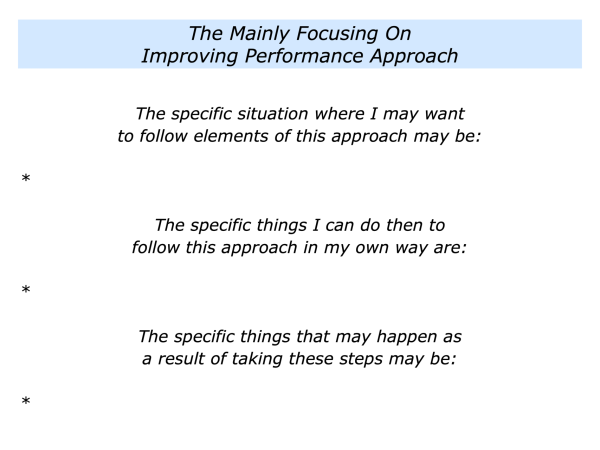
Let’s return to your own life and work. Looking ahead, can you think of a situation where you may want to follow elements of the seemingly paradoxical approach.
Whilst you may be working towards a certain kind of goal, how can you mainly focus on aiming to improve your performance? What may happen as a result of taking these steps?
If you wish, try tackling the exercise on this theme. This invites you to complete the following sentences.

Leave a Reply